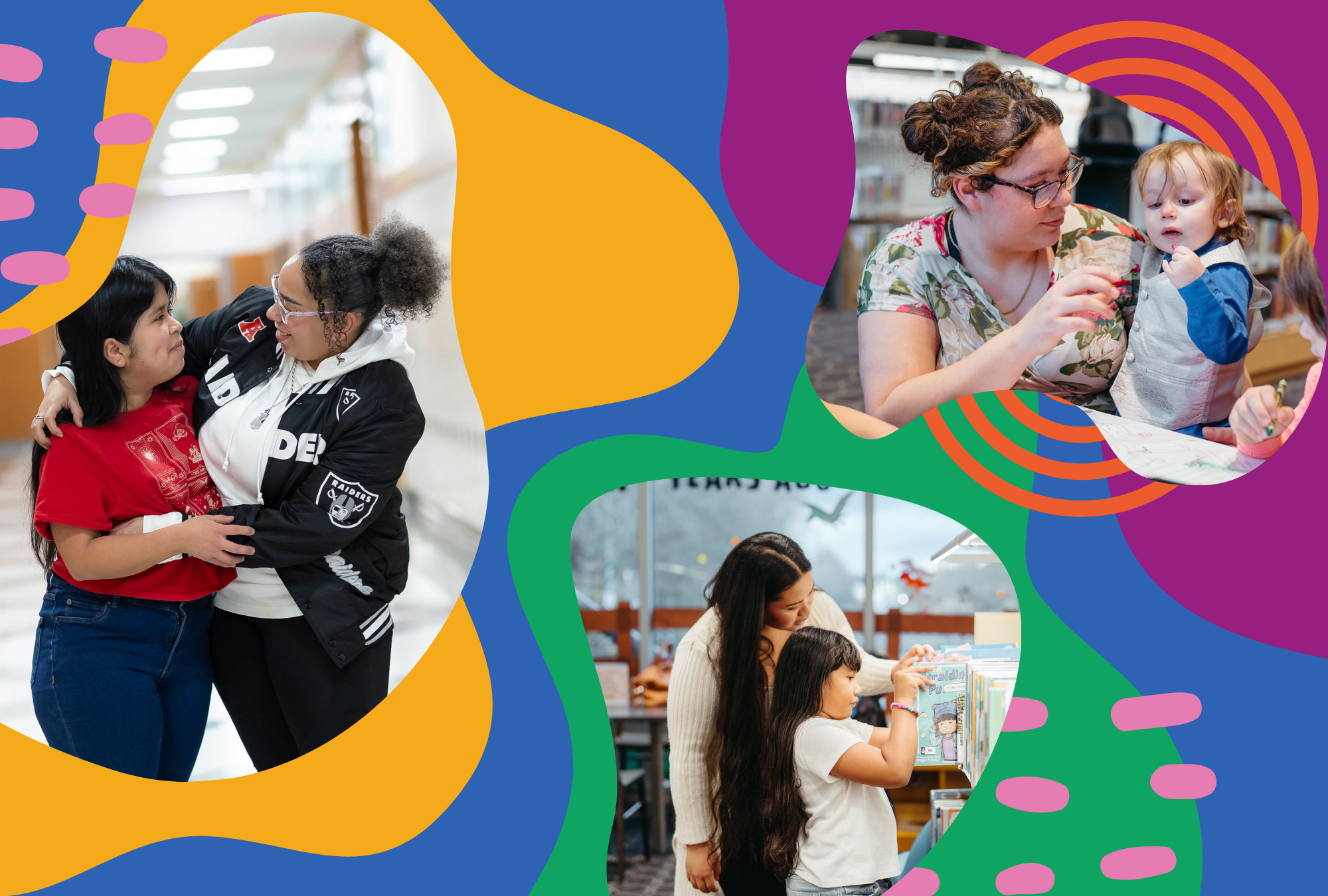
For a decade, Best Starts for Kids has helped children and families across King County access the support they need to be healthy, safe, and thriving. From helping families afford child care and preventing youth homelessness to expanding access to health services and creating opportunities for young people, Best Starts has become one of King County’s most significant investments in the well-being of our communities.
As King County prepares for the next chapter of Best Starts for Kids, a new assessment highlights the impact of these investments and identifies opportunities to build on what’s working, strengthen services, and better meet the needs of children and families.
Last week, King County Executive Girmay Zahilay transmitted the Best Starts for Kids Assessment Report to the King County Council.
The report draws primarily on program performance data and findings from ORS Impact, an independent evaluation firm that examined levy outcomes from 2022 through 2024. The evaluation highlights the importance of Best Starts’ relationship-based, culturally rooted, and accessible approach to increasing engagement, connecting families with services, and strengthening community organizations.
Additional evaluation findings, incorporating more recent Best Starts data, are expected next summer.
View the full Best Starts for Kids Assessment Report
Best Starts investments are making a difference for King County families
Preliminary findings show that Best Starts for Kids doubled its reach, serving 531,800 participants in 2024, compared to 264,786 in 2022.
Behind those numbers are children receiving early developmental support, families staying in their homes, young people finding pathways to education and employment, and community organizations building the capacity to serve their neighbors.
The assessment highlights progress across several areas:
Helping families meet their basic needs and stay housed
Access to stable housing, affordable child care, and basic necessities gives children and families a stronger foundation for long-term health and well-being.
- Nearly 6,000 youth and families at risk of experiencing homelessness remained housed.
- On average, more than 2,400 children each year received child care through Best Starts, helping reduce financial stress for families.
- More than 44,000 pregnant people and families with newborns received lactation support, healthy food, and referrals to services that help babies thrive.
Supporting healthy development and mental well-being
Best Starts is helping children get the support they need early in life while expanding access to social, emotional, and behavioral health services as they grow.
- Since 2022, an average of more than 6,500 children younger than three with developmental delays or disabilities have received Best Starts-funded Early Support for Infants and Toddlers services each year. Of those children, 64% identify as Black, Indigenous, or people of color.
- Between 2022 and 2025, more than 24,000 middle and high school students who identified a need for social, emotional, or substance use support received services.
Creating opportunities for young people to learn, connect, and succeed
Young people thrive when they have access to supportive relationships and opportunities to build skills, explore their interests, and pursue their goals.
- More than 16,000 children ages 5 to 13 participated in high-quality afterschool and summer programs funded by Best Starts between 2022 and 2025.
- Each year, an average of more than 1,300 young people were re-engaged or connected to high school, college, and work through Best Starts services.
Investing in the people who care for our children
A strong child care system depends on the workers who care for and educate our youngest residents. Best Starts is investing in that workforce to help improve retention and support a more stable child care system.
- The Child Care Wage Boost Demonstration Pilot is investing more than $25 million in additional compensation for participating child care workers through 2027.
- Child care workers who received wage boosts were 13% less likely to look for a job, and 78% of wage boost recipients remained in their roles after one year.
Strengthening communities and supporting local leadership
Best Starts works alongside community organizations and residents who understand the needs, strengths, and opportunities in their neighborhoods. These partnerships help residents build skills, strengthen local leadership, and shape decisions that affect their communities.
Between 2023 and 2025, the Communities of Opportunity program and funded providers hosted more than 6,000 community events and 1,900 workshops on topics such as organizing, leadership, and community development, engaging nearly 400,000 people.
These efforts helped build skills and capacity among more than 9,000 residents and supported the development of approximately 4,000 community leaders taking action on issues important to their communities.
Best Starts has also invested in the physical spaces where communities come together. Capital investments have funded renovations and repairs at 13 facilities, including child care and early learning centers, community recreation facilities, and food banks. More than 86,000 people are served each year through Best Starts capital investments.
Building on what’s working and preparing for the future
The assessment highlights the progress of Best Starts for Kids and opportunities to strengthen its impact for children, youth, and families across King County.
The recommendations focus on building on existing investments, responding to changing community needs, and directing resources where they can make the greatest difference. This includes continuing to help families afford childcare, keeping young people connected to education and opportunity, and strengthening support for children and families facing the greatest barriers to accessing services.
Together, these recommendations will help inform the next chapter of Best Starts for Kids, with a continued focus on racial equity, community partnerships, and responsible stewardship of public dollars.
What’s next
The assessment is one step in preparing for the renewal of the Best Starts for Kids levy. In the coming months, Executive Zahilay will share more details about his proposal and priorities for continued investment in the health, well-being, and success of King County’s children and families.
As King County looks ahead, the findings from this assessment will help inform the next phase of this work and our continued commitment to building a more connected county where children and families have the support they need to thrive.