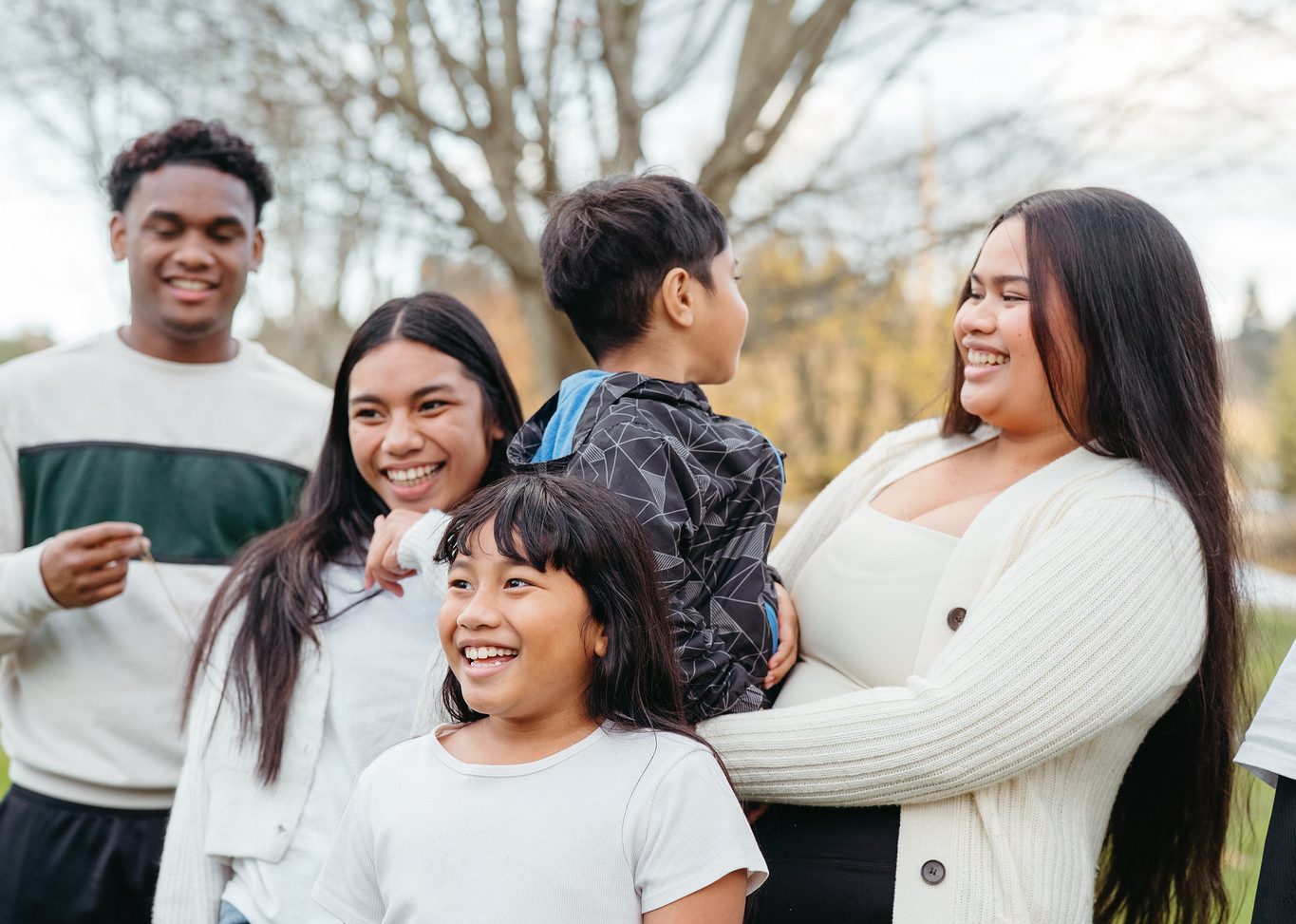
Since 2023, three community-based organizations have been collaborating with the Best Starts for Kids data team on a unique strategy where organizations lead the process of gathering, analyzing, and sharing data about their own communities.
The data we gather through this approach strengthens community-led efforts, provides insight into what pregnant people, families and caregivers with young children are experiencing, and is an important complement to more traditional data sources. As we enter 2025 and reach the midpoint of the second Best Starts Levy, these findings offer an opportunity to reflect on our progress and next steps.
Partners have been working hard and learning together as they’ve created data collection and analysis plans; gathered data from their community using culturally relevant methods; analyzed the data; and finally, shared it back with community members, Best Starts for Kids, and each other.
We recently had a celebration where each partner told their data story, and many connections emerged across communities. These stories will continue to build on the momentum over the next year of the Community-Led Data strategy.
Here are highlights from these data stories.
Community Café Collaborative

Community Cafés spotlight neighborhood wisdom and transform it into community action. They are planned, led, and monitored by family members who can relate to the participants and want to build on the assets of their community to strengthen families. Community Cafés partnered with members from seven specific communities in King County to design and host community cafés to gather data, both in person and virtually. The seven communities identified as Native, Young Fathers, Somali, Latinx, African American, Uniquely Designed, and Kinship. There were 109 adults and 23 kids involved in café discussions focused on what healthcare resources families rely on, wish were in place, and or present barriers.
Common needs Community Cafés found across these seven communities include:
- Being seen as a whole person, and not judged based on race, language, land of origin, or gender.
- Being understood, from language access to culturally competent providers to adequate time in appointments.
- Removing the time, money, and transportation-related barriers to care.
- More mental health support, including for youth both in and outside of schools.
- Building trust, due to a historical and current lack of trust between all communities and the healthcare system.
Learn more by reviewing the presentation slide deck and listening to the Community Café podcast, which features stories from participating communities, including Native, Young Fathers, and more!
If you have questions about the Community Café Collaborative’s data findings, contact: Sunny Giron; Sunny@thecommunitycafe.org
Indian American Community Services (IACS)
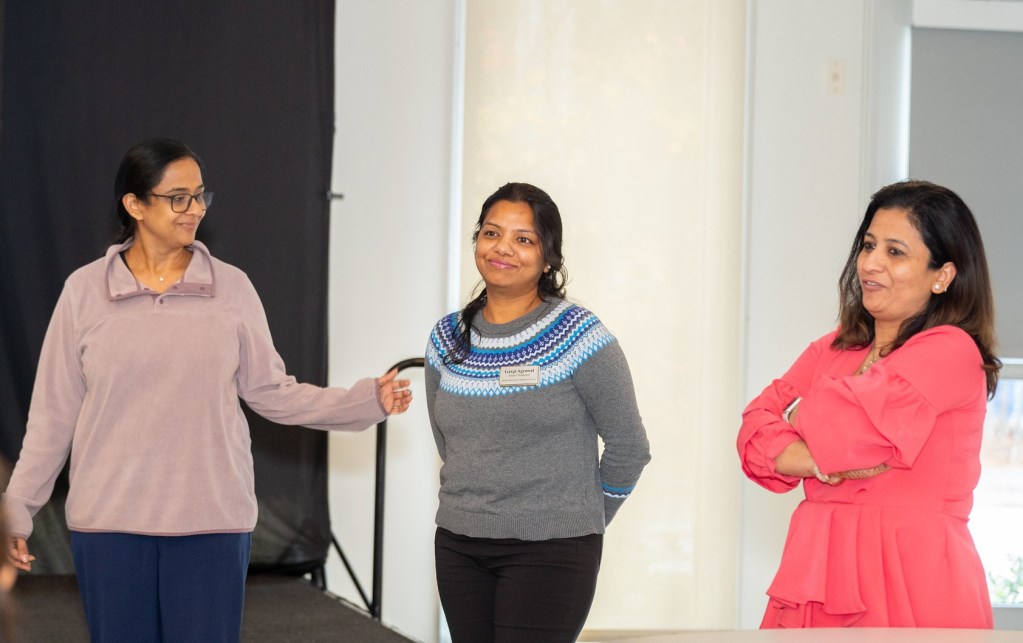
IACS serves the Indian American community through programs, services, and advocacy for people of all ages and life stages. They help seniors, youth, women, and families with the often difficult and complex circumstances that affect their daily lives. In addition, IACS help them build connections with others in a safe and welcoming environment so that everyone feels they’ve found a place where they truly belong.
For the community-led data project, IACS held “parent teas” for families and caregivers focused on three community priorities (accessibility, safety, and emergency preparedness), each across three geographically spread locations within King County (Bothell, Bellevue, and Maple Valley). IACS’ decades-long work meeting the community’s basic and urgent needs along with the culturally nuanced co-created models of community conversations led to a trusted safe space where feedback, barriers and resource awareness were addressed for community members to express their feelings and perspectives as parents and caregivers.
IACS learned that families want:
- Better access to services including child care, healthcare, and transportation.
- To address safety concerns including gun violence, bullying, and hate crimes.
- More resources for things like safety kits given high awareness of emergency preparedness.
Read more about IACS’ work here!
If you have questions about IACS’ data findings, contact:
- Kavitha Ramakrishnan, kavithak@iaww.org
- Sucheta Pardikar, suchetap@iaww.org
United Communities of Laos (UCL)

United Communities of Laos (UCL) is a community coalition that serves the Lao, Khmu, and Hmong communities in King County by providing social, cultural, and educational programs that enrich and empower families. Together, the partners in the UCL coalition have a combined 40+ years of experience serving their communities. For the community-led data project, UCL partnered with a team of Community Language Advocates to co-design and administer a survey about community needs and strengths. The team leveraged deep community knowledge and language skills to connect with multiple generations of community members including young people, families, and elders and made sure the survey was accessible to all community members by providing support in multiple languages.
UCL learned that Lao, Khmu, and Hmong communities:
- View cultural gatherings and connecting with others as an important way to support emotional wellbeing.
- Would like to see more programming to support health and mental wellness for adults in their communities.
- Value outdoor community activities and would like more outdoor recreation programs and social groups.
- Need more support with accessing housing, healthcare, and culturally relevant foods.
- Would like to have a shared Cultural Center for Hmong, Lao, and Khmu communities and are interested in supporting planning and fundraising efforts.
If you have questions about UCL’s data findings, contact:
- Kayla Somvilay, Lao Community Service Center (LCSC), Kayla@lcsc-wa.org
- Tracie Friedman, Khmu Association of Washington (LKA), Friedmantracie@gmail.com
- Mouakong Vue, Hmong Association of Washington, hmong.of.washington@gmail.com
The UCL team is also hosting a series of listening sessions with Lao, Khmu, and Hmong young people, parents, caregivers, and elders in King County to better understand family protective factors across their communities. Follow the Best Starts blog, and LinkedIn to keep up with UCL and other partners’ work in 2025.
See UCL’s initial results here!
Check out how Best Starts’ Community-Led Findings overlap with other community feedback and qualitative data the health department has gathered across King County, including those documented in our 2024/2025 Community Health Needs Assessment.